A Global Conversation About Community
by Jasmine Hall Ratliff
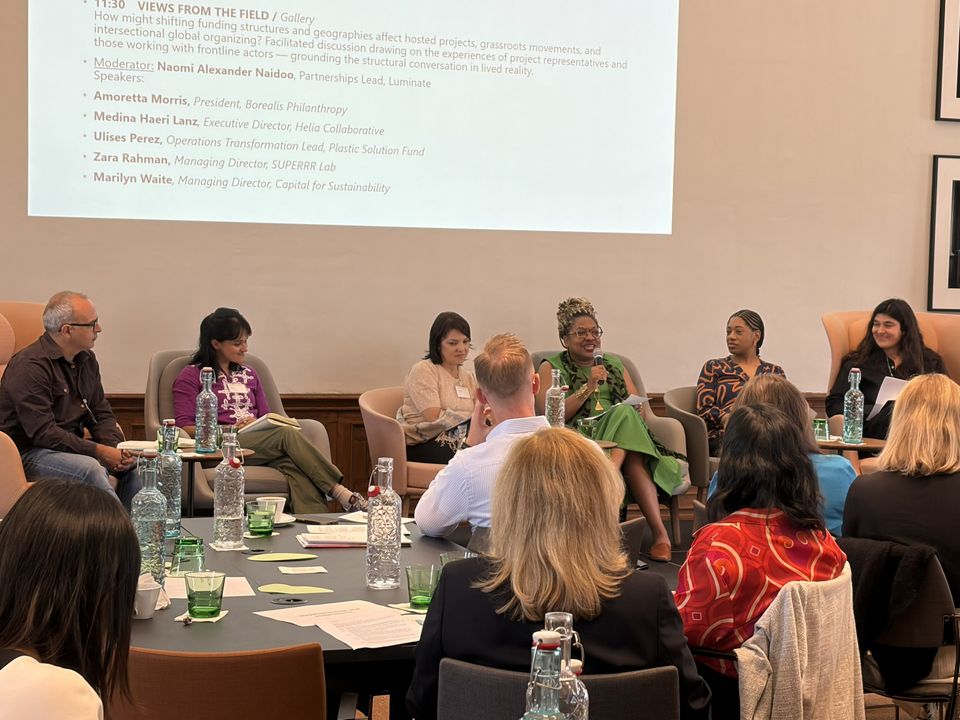
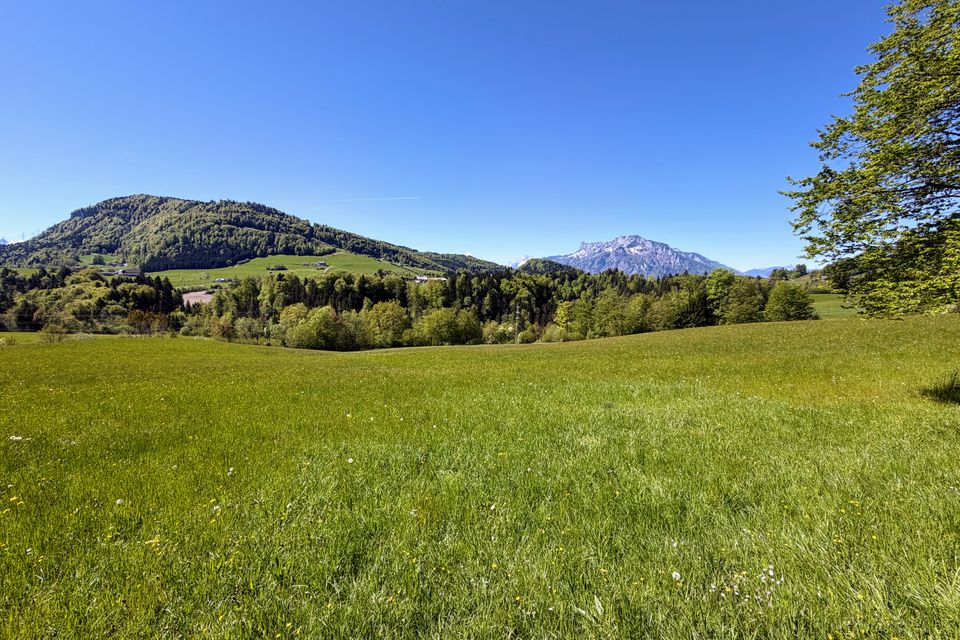
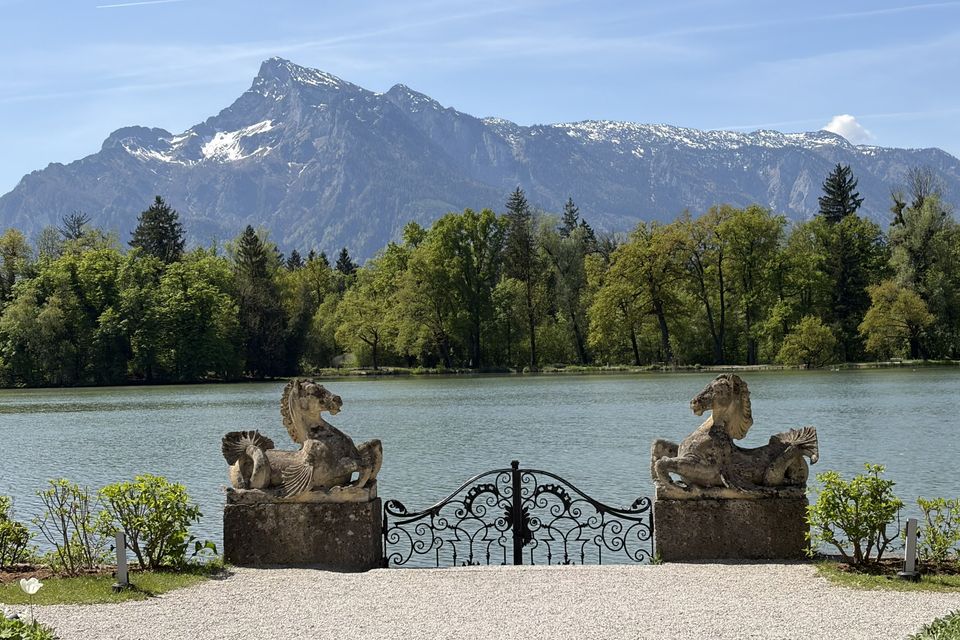
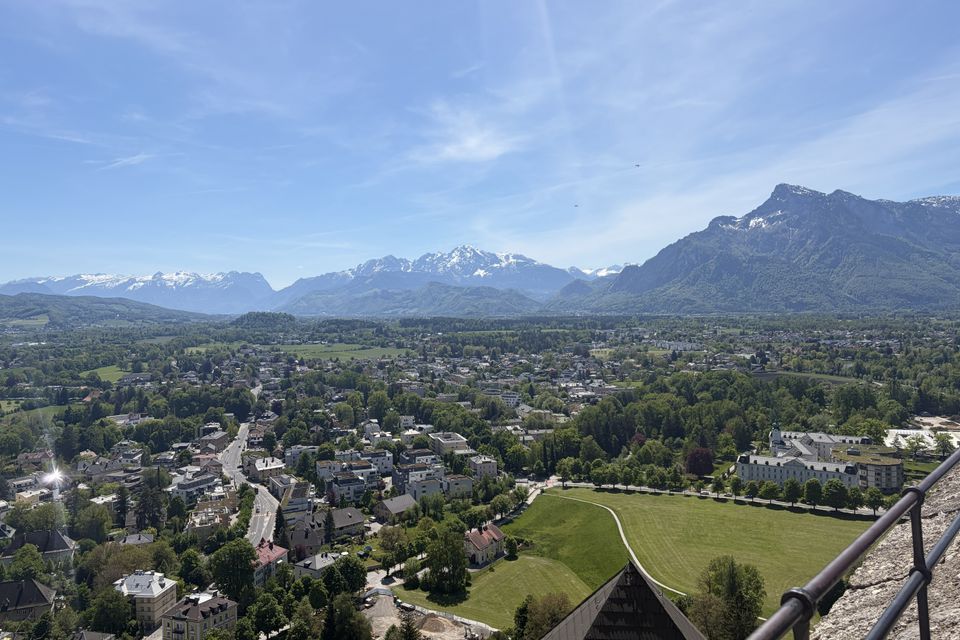
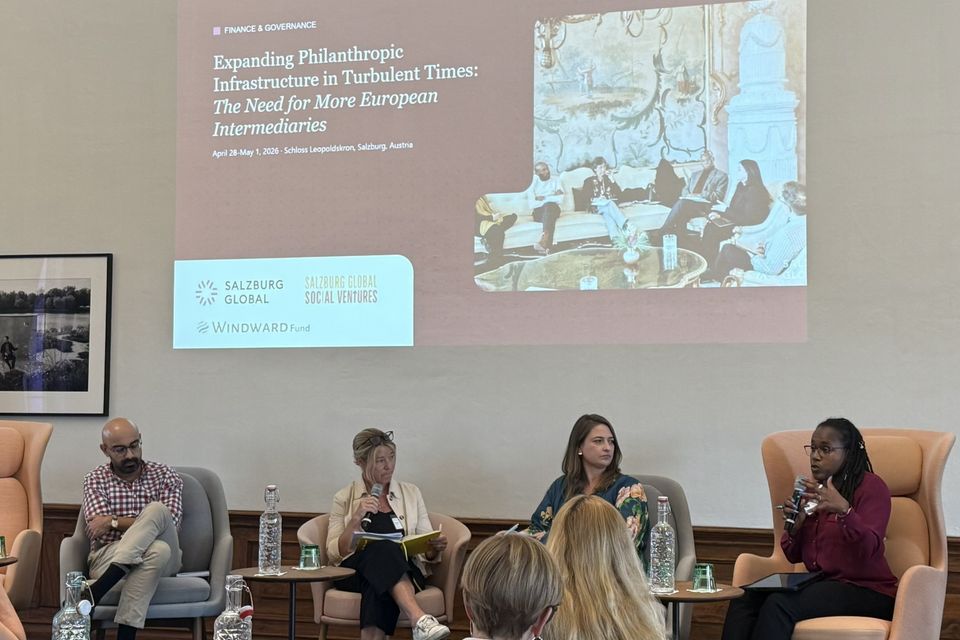
Last month, I traveled to Salzburg, Austria for a convening hosted by Salzburg Global and Windward Fund focused on the evolving role of intermediaries and fiscal sponsors across Europe and the United States. I attended as a Windward Fund board member, but throughout the conversations I was also thinking deeply about Build Missouri Health, our partners, and the communities we serve across Missouri.
The convening brought together philanthropic leaders, fiscal sponsors, collaborative funds, and intermediary organizations from across Europe and the U.S. to explore how this work is changing and what communities need from the sector in this moment. While the legal and philanthropic landscapes differ from country to country, many of the themes felt remarkably familiar: communities facing interconnected challenges, grassroots organizations being asked to do more with less, and growing recognition that strong ideas need strong infrastructure to survive and grow.
One of the clearest takeaways for me was how intermediary work is evolving globally from transactional to relational. Increasingly, fiscal sponsors and intermediaries are doing far more than moving money from one place to another. They are helping projects build capacity, providing operational infrastructure, supporting collaboration, reducing barriers to funding, and creating ecosystems where organizations, funders, and communities can learn from one another and move work forward together.
The convening brought together philanthropic leaders, fiscal sponsors, collaborative funds, and intermediary organizations from across Europe and the U.S. to explore how this work is changing and what communities need from the sector in this moment. While the legal and philanthropic landscapes differ from country to country, many of the themes felt remarkably familiar: communities facing interconnected challenges, grassroots organizations being asked to do more with less, and growing recognition that strong ideas need strong infrastructure to survive and grow.
One of the clearest takeaways for me was how intermediary work is evolving globally from transactional to relational. Increasingly, fiscal sponsors and intermediaries are doing far more than moving money from one place to another. They are helping projects build capacity, providing operational infrastructure, supporting collaboration, reducing barriers to funding, and creating ecosystems where organizations, funders, and communities can learn from one another and move work forward together.