
Extreme Heat in St. Louis: What it Means for Community Health
photo: James L for pexels
by Jasmine Hall Ratliff
by Jasmine Hall Ratliff
Recently, St. Louis Public Radio featured a conversation about efforts to address extreme urban heat in St. Louis. The story caught my attention because it's an issue we’ve been exploring at Build Missouri Health.
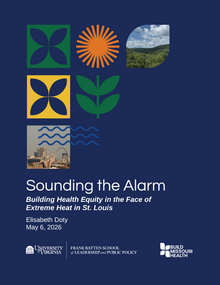
Research conducted for BMH by Elisabeth Doty adds important context. Her report, Sounding the Alarm: Building Health Equity in the Face of Extreme Heat in St. Louis found that St. Louis has warmed 31% faster than the rest of the contiguous United States since 1975. Extreme heat is no longer simply an uncomfortable part of summer in St. Louis. It’s a growing health concern that impacts some communities more than others.
Where we live, the condition of our homes, and our ability to afford basic necessities all influence our health. For residents living in older, poorly insulated homes, keeping cool can mean choosing between paying an already high energy bill and protecting their health. These challenges are especially significant for communities already facing economic and health inequities.
Elisabeth’s research also points toward solutions. After evaluating several approaches, she recommends that St. Louis adopt a coordinated heat action plan and a warning system that considers the health risks of extreme heat, in addition to the temperature.
For me, this reinforces why we must look beyond individual health outcomes and consider the systems and conditions that shape them. Healthy housing, a healthy climate, and strong communities are deeply connected. Addressing these challenges requires that we navigate these connections.
I invite you to read Elisabeth’s full report to explore her findings and recommendations. It’s an important resource for the conversations we must begin about how we can better protect our communities as our climate changes.